1972
YEAR OF DISCOVERY
Mawangdui excavation
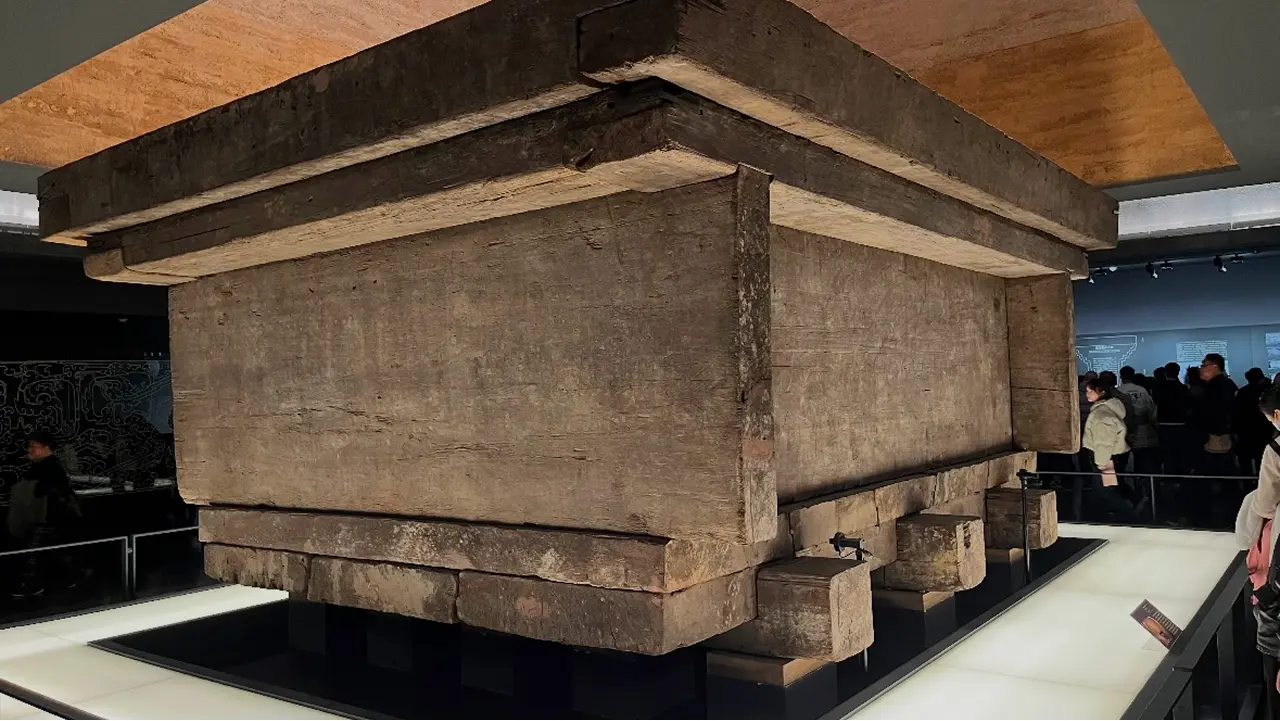
MAWANGDUI · CHANGSHA
WESTERN HAN DYNASTY
AN ARCHAEOLOGICAL DISCOVERY
THE RESTING PLACE OF XIN ZHUI
BENEATH THE EARTH
In 1972, an ancient tomb opened a window into the world of the Western Han Dynasty.
Located at Mawangdui in Changsha, Tomb No. 1 belonged to Xin Zhui. Its carefully arranged burial space and surviving objects offer valuable evidence of ancient Chinese life, craftsmanship and beliefs about the afterlife.
EXPLORE WHAT LIES WITHIN ↘1972
YEAR OF DISCOVERY
Mawangdui excavation
2ND C.
HISTORICAL PERIOD
Western Han Dynasty
CHANGSHA
LOCATION
Hunan, China
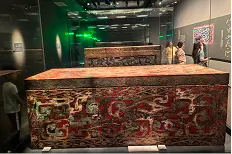
THE STRUCTURE OF TOMB NO. 1
MAWANGDUIOBJECTS · STRUCTURE · MEMORY
Every layer of the tomb reveals another part of Xin Zhui's world.
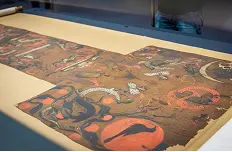
01 / PAINTING
A remarkable silk painting connecting the human world with ancient ideas of heaven and the afterlife.
02 / STRUCTURE
The tomb's layered construction reveals how burial spaces were carefully designed and arranged.
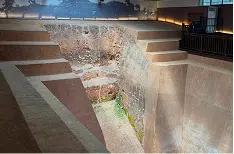
03 / BURIAL
Nested coffins formed several layers around the body, reflecting the importance of burial rituals.
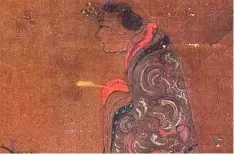
04 / PRESERVATION
The remarkable preservation of Xin Zhui made the discovery one of the most significant archaeological finds in China.
THE ARCHITECTURE OF A BURIAL SPACE
BUILT FOR THE AFTERLIFE
The tomb was not simply a place to bury the dead. Its structure, coffins and burial objects reflected beliefs about death, memory and existence beyond the living world.
Layers of protection
Carefully arranged objects
Ideas about the afterlife
A WORLD PREPARED FOR ONE LIFE
The objects placed in the tomb tell us about status, daily life and beliefs in the Western Han.
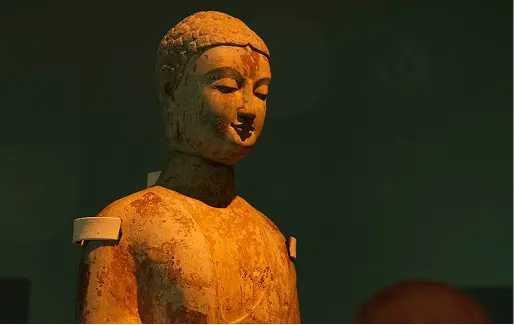
TEXTILES · CRAFTSMANSHIP · STATUS
Objects found in the tomb preserve traces of the material culture and daily practices of the Western Han Dynasty.
Burial objects and paintings help us understand how people imagined the world beyond life.
MAWANGDUI · TOMB NO. 1
Through the tomb, a life from more than two thousand years ago continues to speak to the present.
CONTINUE TO HER LIFE →